How Does Outsourced Verification Reduce Claim Denials?
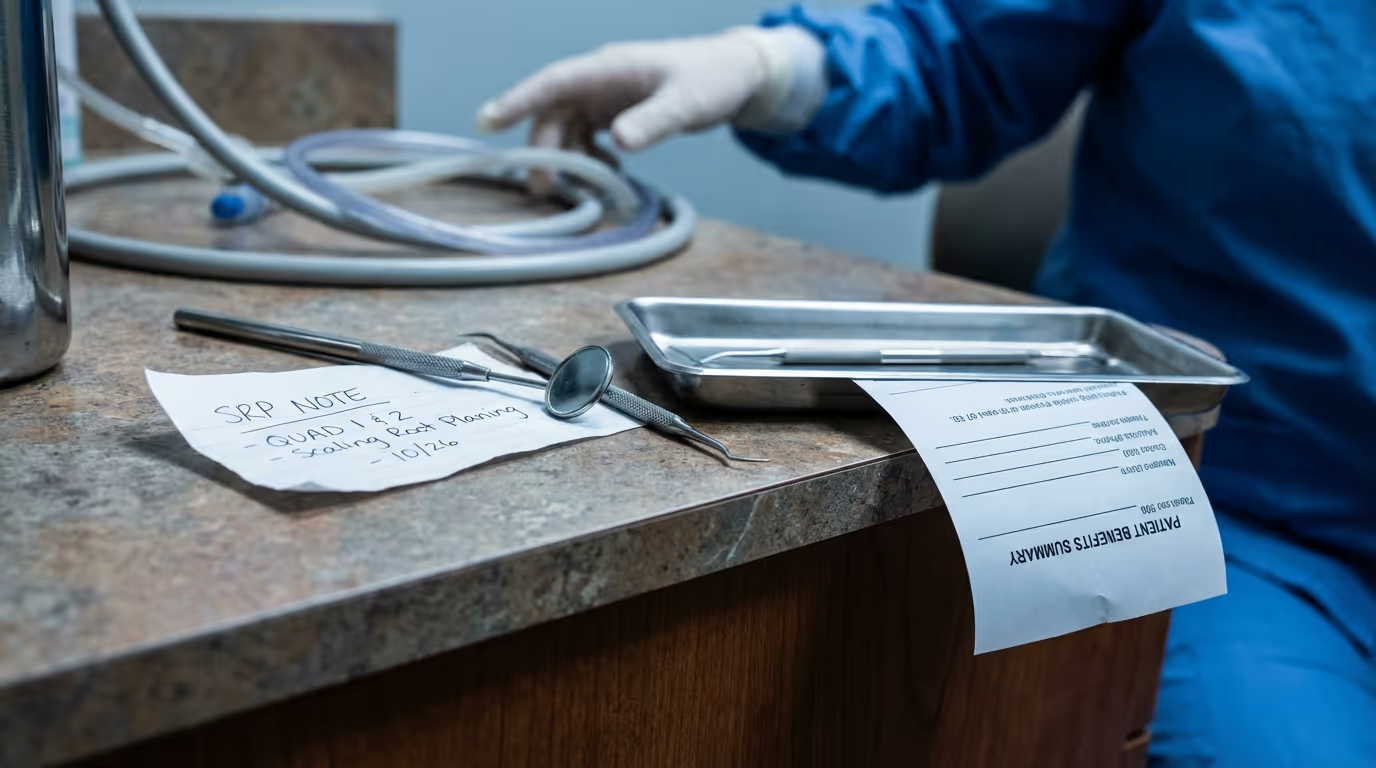
The hygienist turns in your hallway with a fresh SRP slip, patient still in the chair. Your assistant stalls at checkout, eyes darting between schedules and the insurance portal, trying to verify coverage and waiting periods on the fly. Phones ring, the afternoon gears up, and you’re all left scrambling over a basic question: can we actually bill for this today—will insurance pay, or is someone about to get stuck cleaning up another denied claim?
What this problem actually looks like
I’ve seen it play out too many times. The front desk takes the brunt—forced to squeeze a complicated insurance check between patients, often with little real information to go on. You get a partial eligibility readout, but the fine print is missing: frequencies, waiting periods, those little rules that decide whether SRP is covered at all today. So you guess, or buy time, or roll the dice. The problem rolls downhill—billing spends hours resubmitting, providers tiptoe around uncomfortable follow-up calls, and sometimes patients lose trust entirely.
One Monday, we had four SRP appointments stacked before lunch. Our eligibility system gave us only surface-level details. I watched the office manager juggle the phones, trying to get a live rep to clarify whether a 12-month waiting period applied. We wasted about half an hour and still didn’t have a clear answer. In the end, two claims were denied—each because verification was incomplete. Multiply this pattern every week or across several providers, and you start to see how quickly inaccuracies can drain both team morale and revenue.
Where this usually breaks and what it costs
The weak spots in verification almost always come down to missing details. Not just whether a patient is “covered,” but how: Does their plan downgrade? Is implant or SRP coverage excluded for a missing tooth? Did they use their benefit at another office last month? Automated portals rarely lay this all out, so someone on your team must investigate. With each open question, claims hang in limbo, AR builds, and the chances of denial only grow. The ADA recommends verifying eligibility and benefits before every appointment, including things like frequencies and waiting periods for each visit (ADA). When those steps are rushed or skipped, denials increase, and patients often end up with unexpected bills.
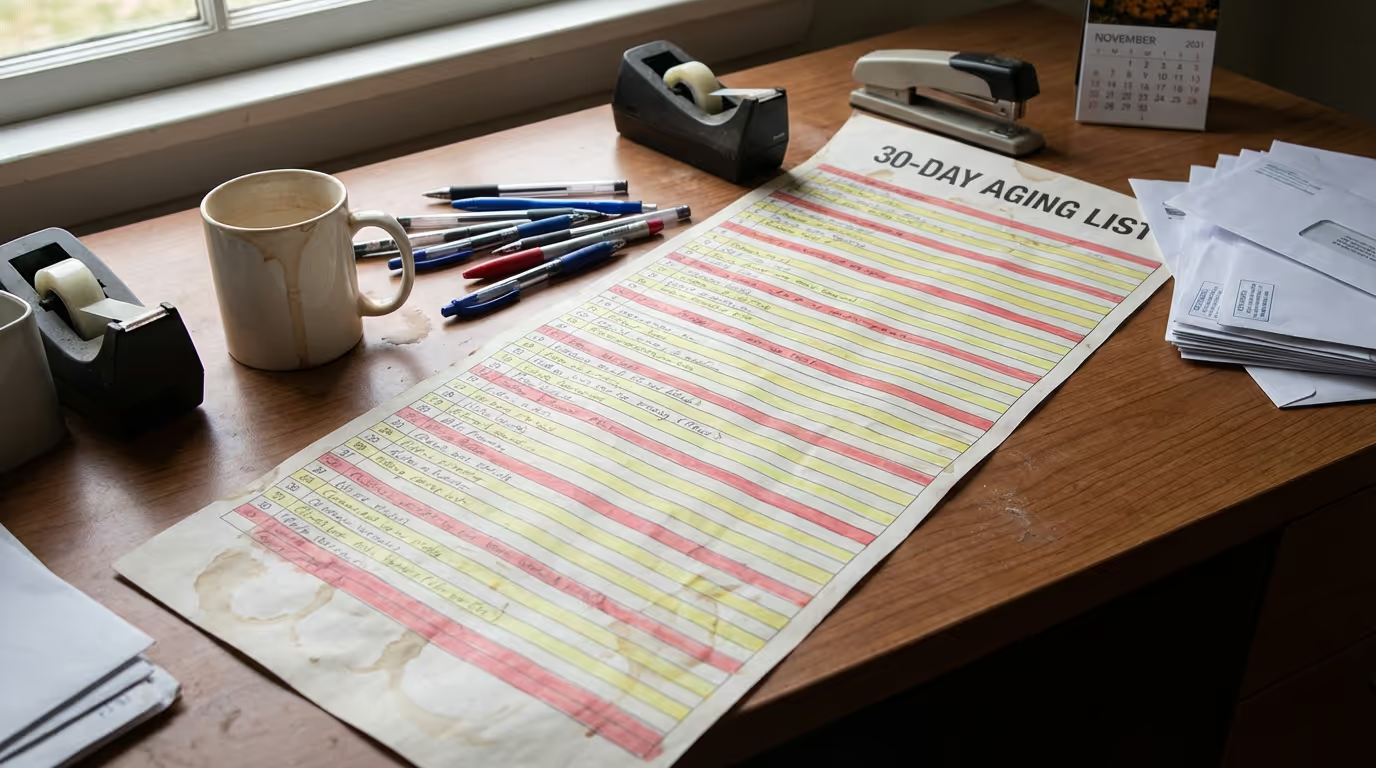
The true cost isn’t just rework. It’s lost production when appointments are rescheduled. It’s backend time spent untangling whether you can justify a claim on appeal—or not. That’s before you factor in the 3.2 billion dollars spent every year on dental admin transactions, much of it tied to these preventable breakdowns. With about 2 billion dollars in potential savings just from improving transaction efficiency, it’s clear how much is at stake for dental practices (CAQH Dental).
What we would do this week
- Audit the next week’s schedule to flag any appointments involving higher-risk procedures (SRPs, crowns, implants) and review past denials for repeat patterns related to missing verification details.
- Create a simple, print-friendly benefits check sheet based on ADA guidelines, focusing especially on waiting periods, frequencies, and plan exclusions—then train every team member on filling it out before the appointment.
- Designate one team member or outside resource to complete thorough verification for these flagged appointments at least five business days out, with a process for capturing all benefit info in the PMS—don’t leave this to chairside guessing.
Where DayDream helps
DayDream blends experienced dental billers with smart automation and AI, producing full benefit breakdowns around seven days before appointments. The team documents the details that kill claims: frequencies, waiting periods, downgrades, plan rules, and more. All of this is mapped into your PMS fields for easy access—so your staff isn’t left piecing together answers in a rush. Transparency means you always know the verification status, and their accuracy runs about 10% higher than the industry norm. That means fewer denials, less manual rework, and payments that arrive about 50% faster.
Every office has felt the chaos of last-minute verification and the fallout of overlooked details. If you’re tired of scrambling and want to leave claim denials behind, you’re not alone. There are proven fixes within reach—and you don’t have to shoulder it all yourself. If you want to see how verification can run smoother and more reliably for your own team, book a short consult.
DayDream helps dentists put their billing on autopilot. Interested in learning more? Book a demo today.